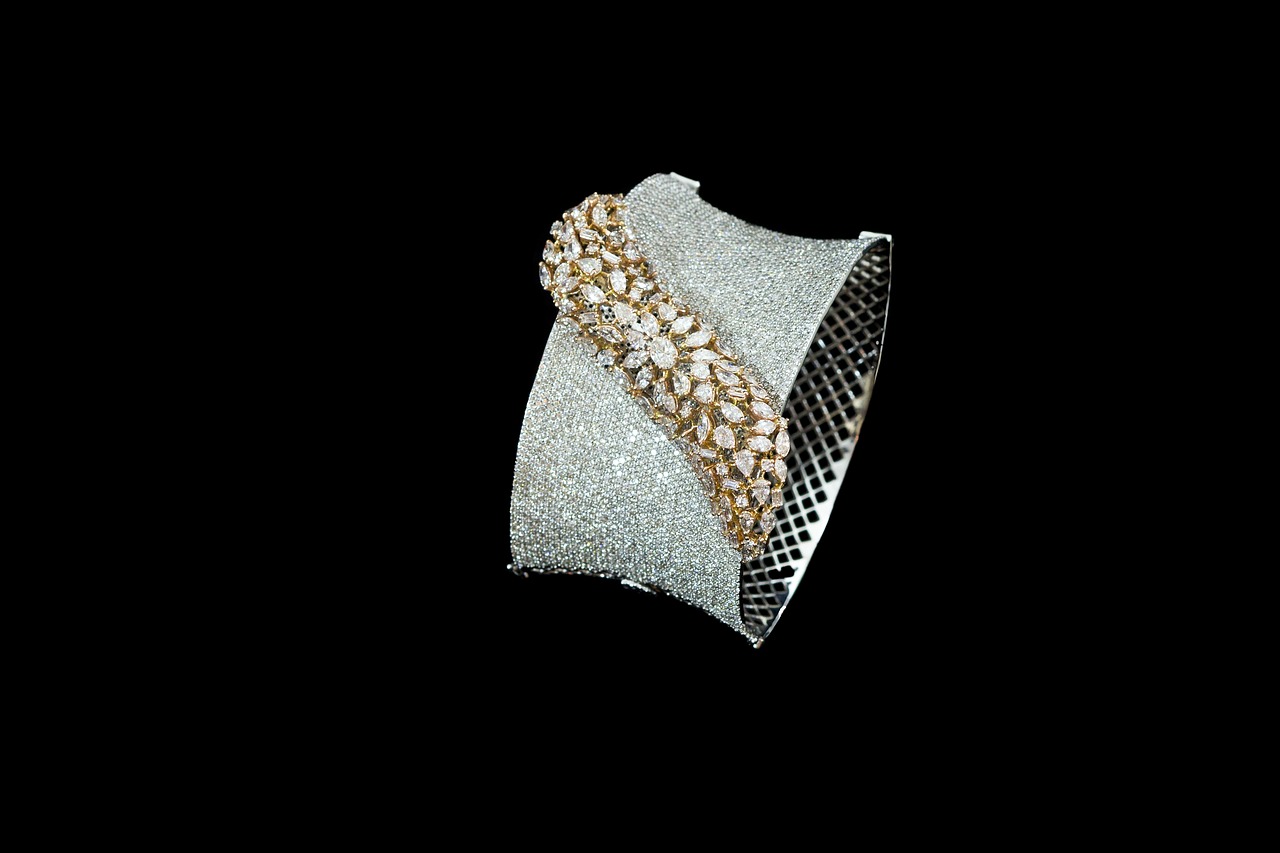
The decision to sell your diamond can be a complex one, especially when considering the ever-fluctuating market. Should you take advantage of current trends and sell now, or hold onto your precious gem in anticipation of a higher price down the line? This article delves into the factors influencing diamond prices and provides a strategic approach to help you determine if selling your diamond is the right move at this moment.
Understanding Diamond Market Fluctuations
Diamond pricing, like any commodity, undergoes cycles of fluctuations influenced by various economic and market forces. Here are key factors to consider:
Global Economic Conditions
Economic downturns often lead to a decrease in demand for luxury goods, including diamonds. During such periods, prices tend to drop as consumers tighten their budgets. Conversely, strong economies stimulate consumer spending, potentially increasing diamond values.
Market Supply and Demand
The diamond market is inherently linked to the principle of supply and demand. Rare or unique cuts and carats can command higher prices due to limited availability. Conversely, an oversupply of diamonds on the market may suppress prices.
Industry Trends and Innovations
Advancements in mining techniques and cutting technologies can impact diamond prices. New discoveries of rare diamonds or innovations that enhance existing cuts might create a buzz in the market, influencing pricing trends.
Evaluating Your Diamond’s Value
Before deciding whether to sell your diamond, it’s crucial to assess its current value. This involves several steps:
Determine the Cut and Clarity
The cut of a diamond significantly affects its brilliance and overall appearance. Round brilliant cuts are most common and highly sought after. Higher clarity grades (FL, IF) will generally command higher prices due to fewer inclusions visible to the naked eye.
Consider Carat Weight
Larger diamonds often have a higher per-carat value. However, it’s essential to balance carat weight with other factors like cut and clarity for an accurate assessment.
Research Recent Sales Data
Explore online databases and auction houses to compare prices of similar diamonds. This provides valuable insights into the current market value of your diamond. Remember, these sales data points can serve as a guide but may not perfectly mirror the future value due to differences in settings and demand.
Timing Your Sale for Maximum Profit
Now that you understand market dynamics and your diamond’s worth, let’s explore strategies to sell at the optimal time:
1. Monitor Diamond Prices Regularly
Stay informed about diamond prices by following reputable industry sources, reports, and price indexes. Websites and publications dedicated to jewelry trends and pricing can provide valuable insights into market movements. By keeping a close eye on these trends, you’ll be better equipped to identify the right moment to sell.
2. Consider Seasonal Trends
The diamond market experiences seasonal fluctuations, with certain months traditionally seeing higher demand and prices. For example:
- Winter Months: The holiday season often sparks an increase in engagement ring purchases, leading to higher diamond prices.
- Post-Summer: After summer vacations and celebrations, there might be a temporary dip in prices as consumers focus on post-vacation priorities.
3. Time Your Sale with Major Events
Significant global events can impact the diamond market:
- Economic Booms: During periods of economic growth, consumer confidence tends to rise, potentially driving up diamond demand and prices.
- Industry Conferences: Major jewelry industry events can create a buzz around diamonds, influencing pricing trends as buyers and sellers gather insights.
4. Anticipate Supply Changes
As mentioned earlier, supply and demand play a pivotal role in diamond pricing. Keep an eye on market news regarding:
- New Mining Discoveries: Uncovered diamond deposits could impact future availability and prices.
- Supply Chain Disruptions: Global events or political instability can affect the supply chain, potentially leading to temporary price increases.
Should You Sell Your Diamond Now?
The decision to sell your diamond is deeply personal and depends on various factors unique to your circumstances. Here’s a summary of considerations:
- Financial Needs: If you have an urgent financial requirement, selling your diamond might be the best course of action.
- Market Timing: Waiting for a predicted price surge can maximize returns but carries the risk of market fluctuations in the interim.
- Personal Circumstances: Life events, such as a new job or relocation, may prompt a decision to sell.
- Long-Term Investment: If you view your diamond as an investment, holding onto it during periods of relative stability might be beneficial.
Conclusion: Selling Your Diamond with Confidence
Selling your diamond is a significant decision that requires careful consideration of market dynamics and personal factors. By staying informed about pricing trends, monitoring global events, and understanding your financial needs, you can make an informed choice. Whether deciding to sell now or wait, the key is to be proactive in your research and planning, ensuring you unlock the maximum value of your precious diamond.
FAQ:
1. How often do diamond prices change?
Diamond prices are subject to fluctuations throughout the year, influenced by global economic conditions, market demand, and industry trends. Major events or seasonal shifts can lead to noticeable price swings.
2. Can I sell my diamond online independently?
Yes, numerous online platforms and jewelry marketplaces allow you to sell diamonds directly to buyers. However, ensuring a secure and fair transaction requires due diligence in choosing reputable websites and understanding their terms.
3. Is it better to hold onto my diamond during economic downturns?
While economic downturns may lead to lower diamond prices, holding onto your diamond during such periods depends on your financial situation. If you have a stable investment portfolio and no immediate financial needs, waiting might be an option. However, for those with pressing financial obligations, selling at a reasonable price could be the wiser choice.
4. How can I ensure I’m getting a fair price when selling?
Getting a fair price involves several steps: research your diamond’s value, consult multiple sources, and seek professional appraisals if needed. Additionally, comparing prices on various platforms or considering specialized diamond buyers can help secure the best offer.